

Last Updated: November 22, 2026
Quick Summary
Comfortable paddling gear for sensitive skin should reduce contact friction and control moisture, so look for flatlock seams, UPF 50 fabric, and a loose fit that lets a thin layer move without bunching. Start with a flatlock-seam hoodie, add full-length leggings, then gloves and quick-dry shoes.
- Flatlock construction lays seams flat against the fabric instead of stacking thread on top, removing the ridge that catches skin.
- Sizing down for a performance fit is a common mistake; a snug PFD over tight seams is the fastest way to chafe.
- Cotton is the wrong base layer in cold water because it holds moisture against the skin and accelerates heat loss.
- Wash gear with mild, fragrance-free detergent and skip fabric softener, which coats fibers and reduces wicking.
- The Laki Leggings use a 75% recycled polyester, 25% spandex blend with flatlock seams and UPF 50 protection.
Table of Contents
- Why Standard Paddling Gear Irritates Sensitive Skin
- Quick Comparison: Skin-Friendly Paddling Gear Essentials
- What to Wear When Kayaking in Summer
- What to Wear When Kayaking in Cold Weather
- What Pants to Wear Kayaking for Chafe-Free Comfort
- What to Wear Kayaking: Shoes and Hand Protection
- Gear Care for Sensitive Skin: Washing and Maintenance
- Build Your Skin-Friendly Paddling Kit
- Frequently Asked Questions
Why Standard Paddling Gear Irritates Sensitive Skin
Most paddling gear is engineered for durability and sun blocking, not for skin comfort. That is the core problem. Seams, tags, and tight elastic bands create friction points that get worse with every paddle stroke, and saltwater turns those small rubs into raw, irritated patches.
Comfortable paddling gear for sensitive skin starts with one principle: reduce contact friction and control moisture. Fabric that traps sweat against the body softens skin and makes chafing more likely, especially under a PFD where pressure is constant. Rough seam edges make it worse.
Flatlock construction lays the seam flat against the fabric instead of stacking thread on top of it, which is why it is a useful detail to look for in skin-friendly gear.
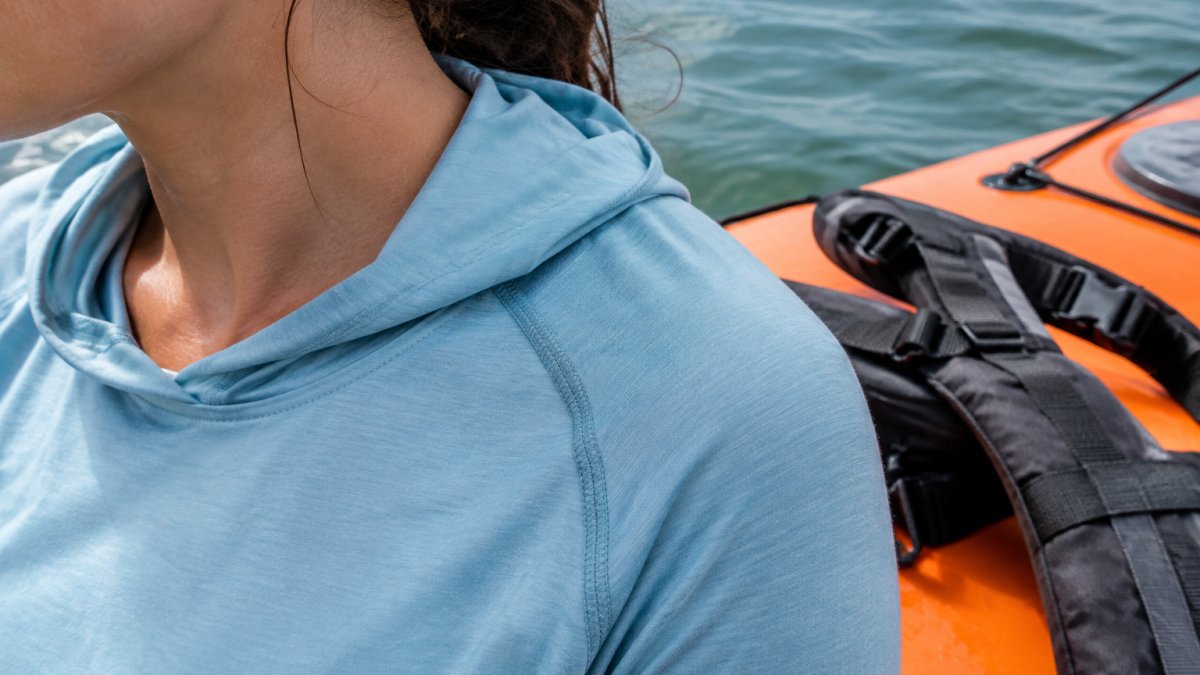
Watch out: a common mistake is sizing down for a "performance" fit. A snug PFD over tight seams is the fastest way to chafe. Fit should allow a thin layer to move without bunching.
For readers who want the material details, our fabric page explains the recycled build and UPF 50 protection behind our lineup.
Quick Comparison: Skin-Friendly Paddling Gear Essentials
The table below maps the core pieces of a skin-friendly paddling kit against what each one solves. Use it to decide where to spend first.
| Gear Piece | What It Solves | Skin-Friendly Detail | Price |
|---|---|---|---|
| Hydro Hoodie (men's or women's) | Sun exposure on arms, neck, shoulders | Flatlock seams, UPF 50, thumb holes | $40-$70 |
| Laki Leggings | Leg chafing and sun coverage | Flatlock seams, four-way stretch, UPF 50 | $50 |
| Paddling gloves | Blisters and hand friction | Reduces direct paddle contact | Varies |
| PFD liner or base layer | PFD strap friction | Smooth, moisture-wicking surface | Varies |
| Quick-dry shorts | Seat and thigh comfort | Loose fit, no heavy seams | Varies |
Our top pick for most paddlers is the women's Hydro Hoodie or the men's Hydro Hoodie, depending on fit. Both use the same flatlock construction and UPF 50 fabric. The newer solid-color versions come in high-visibility colorways chosen for on-water safety.
What to Wear When Kayaking in Summer
Summer paddling is a heat-and-sun problem, not a warmth problem. The right answer is light coverage, not less clothing. A lightweight long-sleeve layer with UPF 50 protection keeps the sun off your arms and neck while still letting heat escape.
For sensitive skin, summer is where moisture management matters most. Sweat trapped under a PFD softens the skin, and softened skin chafes faster. The fabric that touches you should move moisture away from the body and dry quickly, so the layer against your skin is not sitting wet for hours. Look for fast-wicking, quick-drying fabric with four-way stretch and flat seams. The men's Hawaiian Hydro Hoodie in the Lotus Rec fabric uses an 85% recycled polyester, 15% spandex blend with maximum breathability and UPF 50 coverage.
Shorts and a hoodie beat a tank top for long sessions. Bare shoulders burn, and sunburned skin chafes worse the next day. If you are prone to heat rash, choose a loose cut that lets air move under the PFD instead of a compression fit, and avoid heavy elastic cuffs that trap sweat at the wrists.
For a deeper look at hot-weather layering, see our guide on hoodies built for paddling in Hawaiian heat.
What to Wear When Kayaking in Cold Weather
Cold-water paddling changes the layering logic entirely. You need insulation that stays warm when wet, plus a shell or immersion layer for splash and spray. Neoprene and fleece base layers are standard for cold water because they hold warmth even soaked.
Paddling gear for cold conditions usually means three layers: a moisture-wicking base layer against the skin, an insulating mid layer, and a paddling jacket or drysuit on top. For sensitive skin, the base layer is the one that matters most. Choose smooth, seam-flat fabric and avoid wool blends that itch.
Watch out: cotton is the wrong base layer in cold water. It holds moisture against the skin and accelerates heat loss.
If you paddle a closed-cockpit kayak in cold weather, a drysuit protects against immersion. For milder cold, a paddling jacket with a fleece mid layer handles splash protection without overheating.
What Pants to Wear Kayaking for Chafe-Free Comfort
The best pants for kayaking are full-length leggings or quick-dry shorts with flat seams and no heavy waistband binding. Leggings win for sun protection and reduced skin-on-seat friction during long paddles.
For sensitive skin, the lower body is where chafing starts. The seat, inner thighs, and waistband are the three contact zones that rub with every stroke and every shift in the cockpit. A thick side seam or a rolled waistband turns a two-hour paddle into a raw, irritated afternoon. Flatlock construction lays the seam flat against the fabric instead of stacking thread on top of it, which removes the ridge that catches skin.
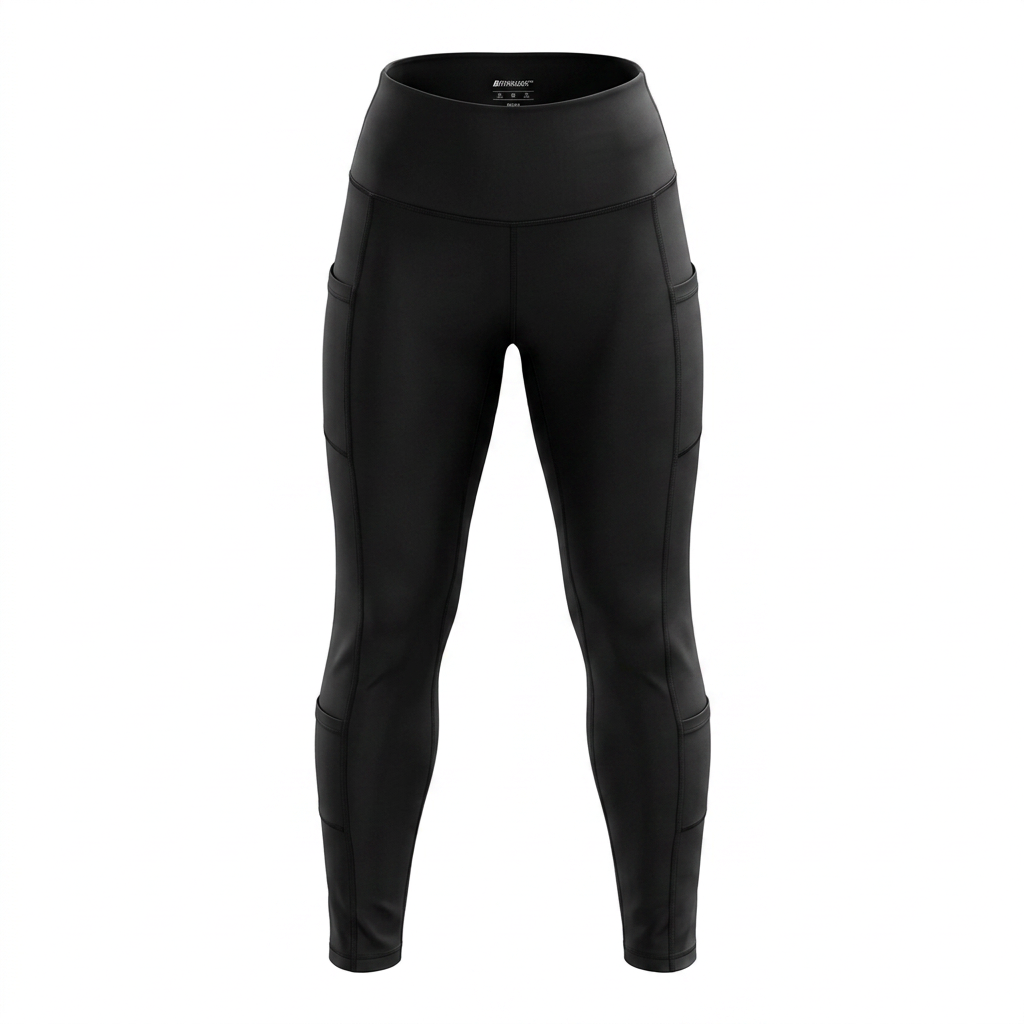
Our Laki Leggings use a 75% recycled polyester, 25% spandex blend with flatlock seams. The women's version has a soft high waist that stays put without binding, plus discreet calf pockets for gels. The men's version sits slightly higher at the waist for a secure fit. Both are $50 and carry UPF 50 protection.
Fit matters as much as fabric. A legging that is too tight pulls at the crotch and waist; one that is too loose bunches behind the knee and under the PFD. Choose a four-way stretch that moves with you and stays smooth against the skin.
Avoid pants with thick side seams or loose, baggy fabric that bunches under a PFD. If you prefer shorts, pick a liner-free quick-dry pair and check the inner thigh seam before you buy. A liner that rolls or a seam that sits high on the thigh is a friction point waiting to happen.
You can browse the women's Laki Leggings for the full spec breakdown.
What to Wear Kayaking: Shoes and Hand Protection
Kayaking shoes should drain fast, grip wet surfaces, and fit snug without rubbing the heel or toes. Neoprene booties work for cold water; thin, quick-dry water shoes work for warm conditions. Avoid anything with heavy seams across the instep.
Hand protection is where most sensitive-skin paddlers get it wrong. Paddling gloves reduce blisters and friction from the paddle shaft, and they shield the backs of your hands from UV exposure. For eczema-prone skin, choose gloves with smooth inner seams and breathable backs rather than tight neoprene.
If gloves irritate your skin, thumb holes on a long-sleeve hoodie offer partial hand coverage without full enclosure. Our hoodies include collapsible thumb holes for exactly this reason.
Gear Care for Sensitive Skin: Washing and Maintenance
Wash with a mild, fragrance-free detergent and skip fabric softener, which coats fibers and reduces wicking. Turn garments inside out and use a gentle cycle. Avoid dryer sheets for the same reason.
Check seams and hems periodically for fraying. A lifted seam edge is a friction point waiting to happen.
Build Your Skin-Friendly Paddling Kit
Start with the layer that touches skin most: a flatlock-seam hoodie with UPF 50 coverage. Add full-length leggings for leg protection, then gloves and quick-dry shoes for hands and feet. That four-piece kit covers sun, friction, and moisture, which are the three drivers of paddling skin irritation.
Build the kit around fit, not price. A loose, breathable layer beats a tight technical one every time for sensitive skin.
Silverback Hawaii makes apparel from recycled plastic, designed by paddlers for paddlers, with UPF 50 protection and lightweight, breathable fabric. Silverback Hawaii is the official jersey provider for the Kimokeo Hawaiian Outrigger Voyaging Society and Hawaii's Pu'ali Koa Kahiko.
Ready to paddle without the sting? Build your kit from gear designed to keep seams off your skin and sun off your shoulders. Get started with Silverback Hawaii and paddle longer with less irritation.
Frequently Asked Questions
What should I wear when paddling if I have sensitive skin?
Start with a base layer made from recycled polyester and spandex blends, like the Silverback Hawaii Hydro Hoodies, which use flatlock seams to sit flat against the skin. Avoid cotton, which holds moisture and causes friction. Look for UPF 50 protection in the fabric. Add full-length leggings for lower-body coverage and choose a loose or four-way stretch fit that moves with your stroke instead of bunching under your PFD.
What fabrics are most comfortable for sensitive skin on the water?
Polyester and spandex blends work best because they wick moisture, dry fast, and stay smooth against the skin. Silverback Hawaii uses 75% to 85% recycled polyester with 15% to 25% spandex across its hoodies and leggings, which gives four-way stretch without the scratchy texture of wool or the damp cling of cotton. Flatlock construction matters as much as fiber content, since it removes the raised seam that rubs under a life jacket during long paddles.
How can I prevent chafing while kayaking?
Chafing comes from three things: moisture, friction, and raised seams. Wear quick-drying, moisture-wicking layers that pull sweat away from the skin. Choose flatlock seams, which lie flat instead of creating a ridge. Make sure your PFD fits snugly but does not shift, since a loose vest rubs with every stroke. For long distances, full-length leggings like the Laki Leggings offer full-length coverage.
Can I wear jeans while kayaking?
No. Jeans absorb water, become heavy, and dry slowly, which keeps moisture against your skin for hours and makes chafing far worse. Wet denim also restricts movement in the cockpit and saps body heat in cold conditions. Quick-drying leggings or synthetic shorts are the better choice for any paddling session, and full-length recycled polyester leggings give you sun protection and friction control at the same time.
How can I protect sensitive skin from the sun while paddling?
Coverage beats sunscreen for long sessions on the water. Wear a UPF 50 hoodie with thumb holes and a button-closure hood, which shields the backs of your hands, neck, and ears without constant reapplication. Silverback Hawaii's Hydro Hoodies carry UPF 50 sun protection. Pair that with full-length leggings and a hat for the parts a hood cannot reach.
