

Last Updated: November 21, 2026
Quick Summary
High-visibility designs for paddling pair bright, high-contrast colors such as fluorescent yellow and orange with sun-protective fabric. Those colors stand out against blue-green water, and a UPF 50 rating covers the sun exposure side of the trip. Pick a garment that balances both needs for how you paddle.
- Fluorescent yellow and orange show the strongest contrast against blue-green water.
- A UPF rating measures how much UV a fabric blocks, not just the color.
- Stretch, wetting, washing and coverage all reduce real-world sun protection.
- Color buys reaction time but does not replace a personal flotation device.
Table of Contents
- How Visibility and Sun Protection Work Together on the Water
- Best Swimsuit Color for Visibility: What the Research Shows
- High-Visibility Swimsuit Colors Compared
- UPF Sun-Protective Waterwear: What the Rating Covers
- Waterproof vs. Water-Resistant Clothing for Paddling
- Silverback Hawaii Hoodies Compared: Design, Protection and Fit
- Choosing Your Hoodie for the Next Paddle
- Frequently Asked Questions
How Visibility and Sun Protection Work Together on the Water
Paddle apparel built around high-visibility designs has to do two jobs at once: keep the sun off your skin and keep you visible to other people on the water. Most paddlers treat these as separate purchases. A bright shirt goes in one bag and a sun shirt goes in another. A single garment that does both is worth looking at closely, because the trade-offs between color, coverage and fabric matter more than the label on the tag.
The sun is the constant threat. Hours on open water, reflected light from the surface and a long session without shade add up quickly. Protective clothing reduces that exposure, and the UPF rating tells you how much UV the fabric blocks. Visibility is the other half. Boats, jet skis and other paddlers often spot a moving body late, especially in choppy water or at dusk. A color that stands out against the ocean gives others more time to react.
The two goals sometimes pull against each other. Dark colors often block more light, but they blend into deep water. Light, bright colors reflect more of the sun and show up well, but the fabric itself has to be tested for protection. The useful question is not which single factor matters most, but which garment balances them for the way you paddle.
Best Swimsuit Color for Visibility: What the Research Shows
Color is the first thing most people notice in high-visibility designs, and it is also the easiest thing to get wrong. Bright, saturated colors such as yellow, orange and fluorescent green tend to stand out against blue and green water. Pastels and muted tones, by comparison, can disappear once the light changes or a swell rolls through.
Visibility depends on contrast with the background, not on color alone. A neon top looks striking on a grey morning and can still be hard to pick out in glare. Distance also matters. A figure that reads clearly at a hundred metres may become a dot at four hundred. For that reason, paddlers who train in mixed conditions often choose a garment with a strong print or an accent panel as well as a bright base color.
Keep in mind that clothing is only one layer of a water-safety plan. A visible shirt does not replace a properly fitted personal flotation device, and it does not make you easy to see from a moving boat if you are low in the water.
High-Visibility Swimsuit Colors Compared
The table below compares common high-visibility color choices on the two factors this keyword cares about: how the color reads against water at distance, and how much sun protection the garment around it can realistically deliver. The visibility column reflects contrast principles, how a color separates from blue-green water, whitecaps, and glare, rather than a single standardized test. The protection column reflects what fabric and coverage typically accompany each color in waterwear.
| Color | Contrast on Open Blue-Green Water | Contrast in Glare and Whitecaps | Low-Light and Dusk Read | Typical Sun-Protection Pairing | Best For |
|---|---|---|---|---|---|
| Fluorescent yellow | Very strong, highest separation from blue-green | Strong, holds against white foam | Strong | Bright dyes on dense knit; pair with UPF 50+ long sleeves and hood | Open-water paddling, group sessions, boat-traffic areas |
| Fluorescent orange | Very strong | Strong | Strong | Same as yellow; often used in safety and rescue gear for the same contrast reason | Busy waterways, training, mixed-age groups |
| Bright pink / magenta | Strong | Moderate, can soften in strong glare | Moderate | Common in rash guards and swim shirts with UPF 50+ | Recreational paddlers who want visibility plus style |
| Lime / neon green | Strong on deep water | Moderate, can merge with shallow green water | Moderate | Often paired with dark accent panels for contrast | Coastal and bay paddling |
| White | Moderate, high contrast against deep water, low against foam and sky reflection | Weak in glare | Weak | Light colors reflect more solar heat but still need a tested UPF rating | Hot, high-sun sessions where heat management matters |
| Palm and tropical prints | Moderate to strong depending on base color | Variable | Moderate | Prints can hide fading and wear; check the UPF label, not the pattern | Beach and island use with mixed visibility |
| Dark navy or black | Weak against deep water | Weak | Weak | Dark dyes absorb more light and heat; protection depends on weave, not color | Sun-only use away from traffic |
Three mechanisms explain most of the differences. First, contrast is relative: a fluorescent top that pops against deep blue can lose separation against whitecaps or a bright overcast sky, which is why accent panels and prints help. Second, distance compresses color: a figure that reads clearly at 100 yards can become a low-contrast dot at 400 yards, so the strongest base color you can tolerate is the safer default. Third, color and protection are independent variables, a dark garment is not automatically more protective, and a neon garment is not automatically less. The UPF rating on the label, plus coverage of neck, shoulders, arms, and hands, does more for sun protection than dye choice alone.
Watch out: treating a bright color as a substitute for a personal flotation device or for situational awareness around boats. Color buys reaction time; it does not replace either.
UPF Sun-Protective Waterwear: What the Rating Covers
The UPF rating measures how much ultraviolet radiation a fabric blocks. A UPF 50 rating means roughly 1/50th of the UV that reaches the fabric passes through.
What changes the real-world number. Four factors move protection away from the label:
- Stretch. Fabric stretched over shoulders, back, and knees opens its weave and lets more UV through. A garment that fits snugly across the upper back is under more tension than the flat swatch that earned the rating.
- Wetting. Water can reduce the UV blocking of some fabrics, especially lighter knits, because the water film changes how light scatters through the material. A dry UPF 50 shirt and a soaked one are not the same garment in the sun.
- Wear and washing. Repeated washing, saltwater exposure, and abrasion thin the fabric and can reduce performance over time. Chlorine and harsh detergents accelerate the decline.
- Coverage. A rating on a short-sleeve shirt says nothing about the backs of your hands, your neck, or your ears. Coverage area often matters more than the number on the tag.
Waterproof vs. Water-Resistant Clothing for Paddling
Waterproof and water-resistant are not the same thing, and the difference affects how you use a garment on the water.
For most paddling in warm conditions, a quick-dry, moisture-wicking fabric is a practical choice.
No single fabric does everything. The right choice depends on whether you are protecting against sun, spray, cold or all three.
Silverback Hawaii Hoodies Compared: Design, Protection and Fit
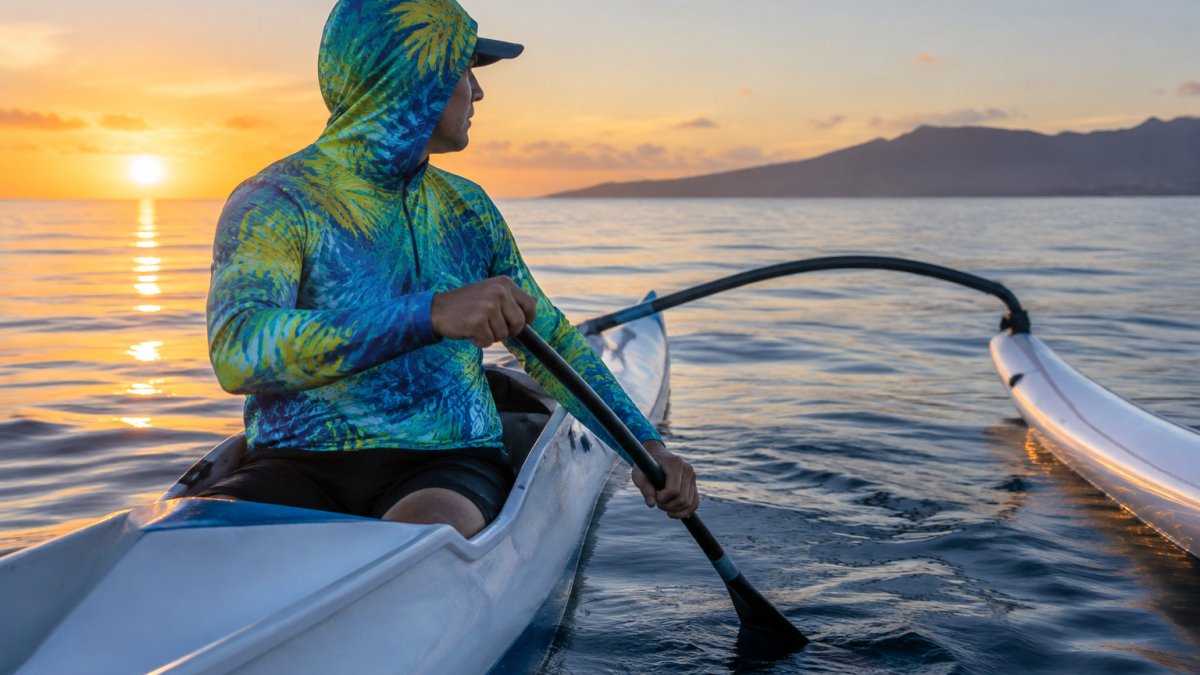
Silverback Hawaii's paddle hoodies are made from 78% recycled polyester and 22% spandex, with SPF 50 sun protection, moisture-wicking fabric, flatlock seams and thumb holes. The core construction is the same across the range. The differences come down to print, cut and whether you want a men's or women's fit. The four options below are the ones we would compare when choosing.
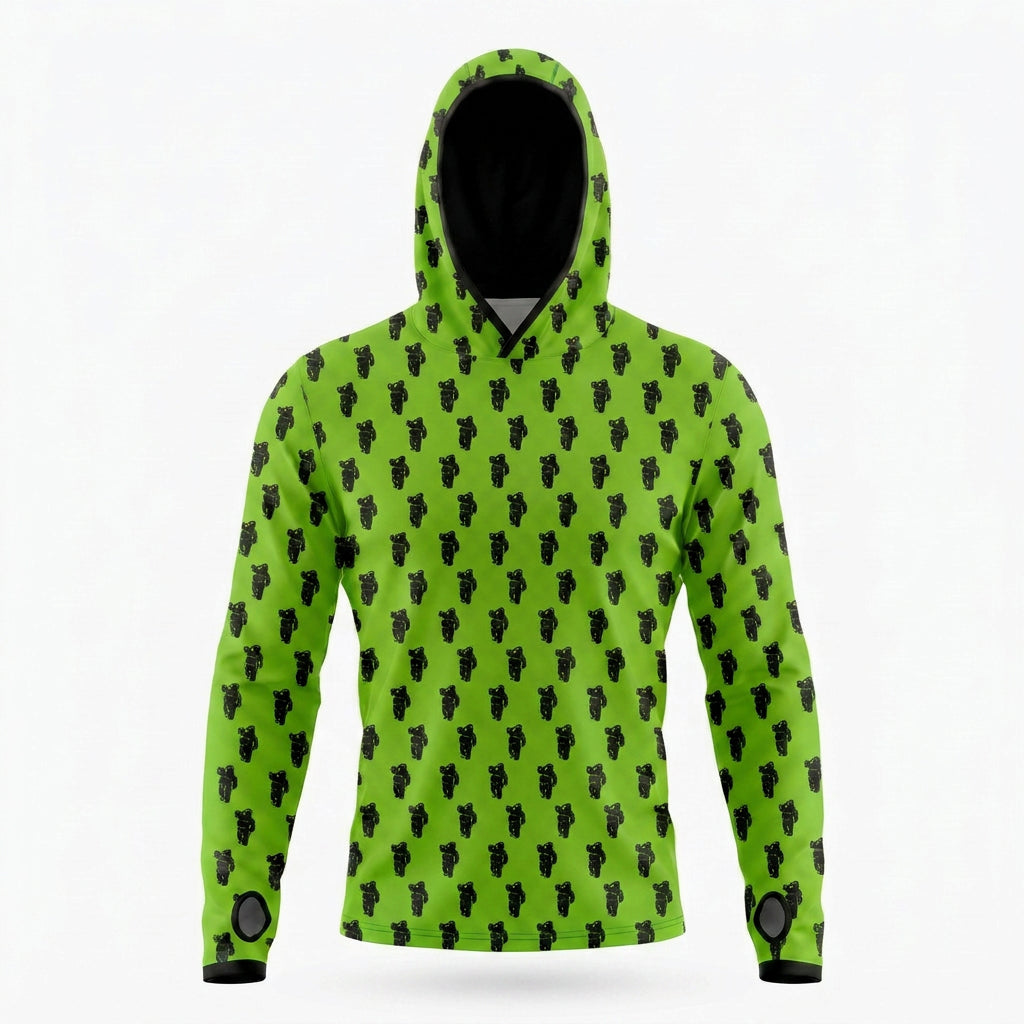
Men's Hawaiian Hydro Hoodie - Big Kahuna Print. This is the print that started the brand. It has a relaxed fit that does not restrict the paddle stroke, and it is priced at $25.00. Best for: paddlers who want the signature print and a loose cut.
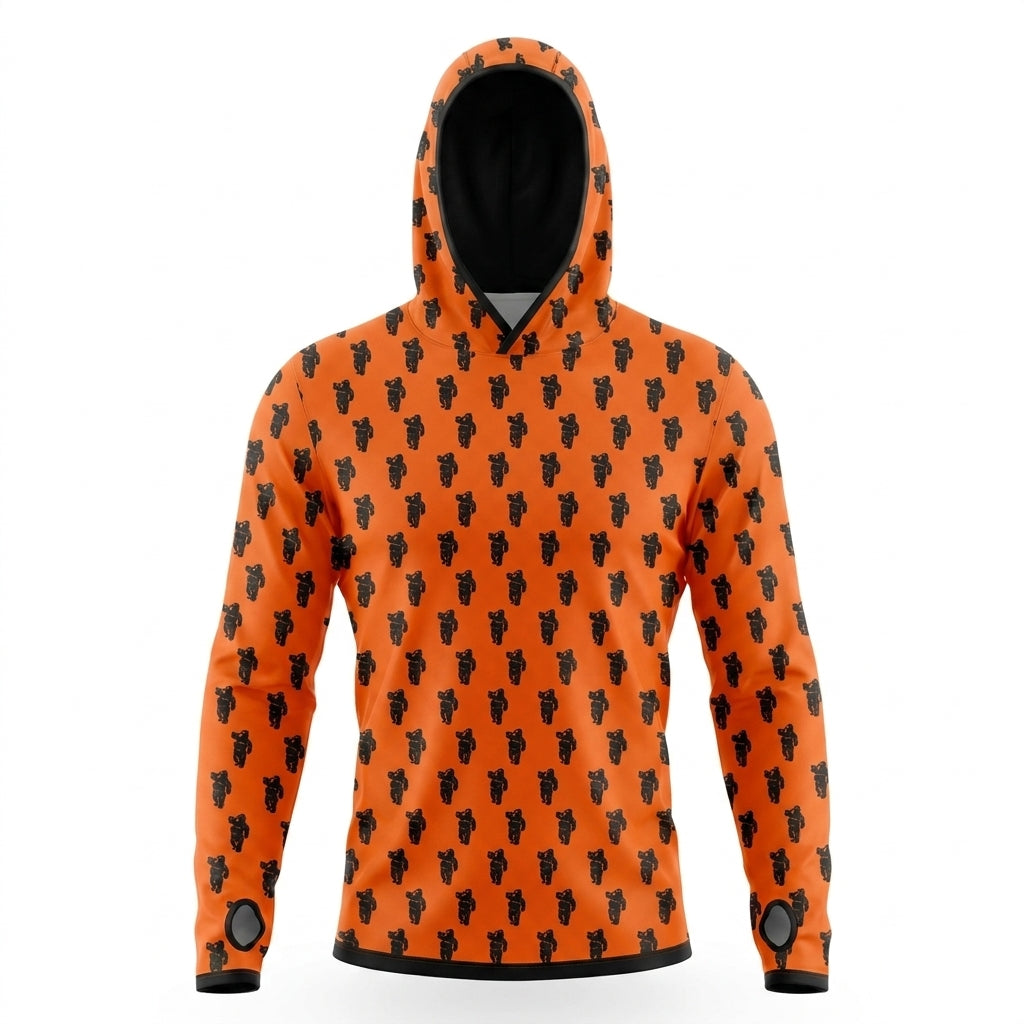
Women's Hawaiian Hydro Hoodie - Big Kahuna Print. The same design in a women's cut, also at $25.00. You can see the full specs on the Big Kahuna women's hydro hoodie. It shares the SPF 50 fabric and the button-closure hood that fits over a cap. Best for: women who want the Big Kahuna look at the lowest price in the range.
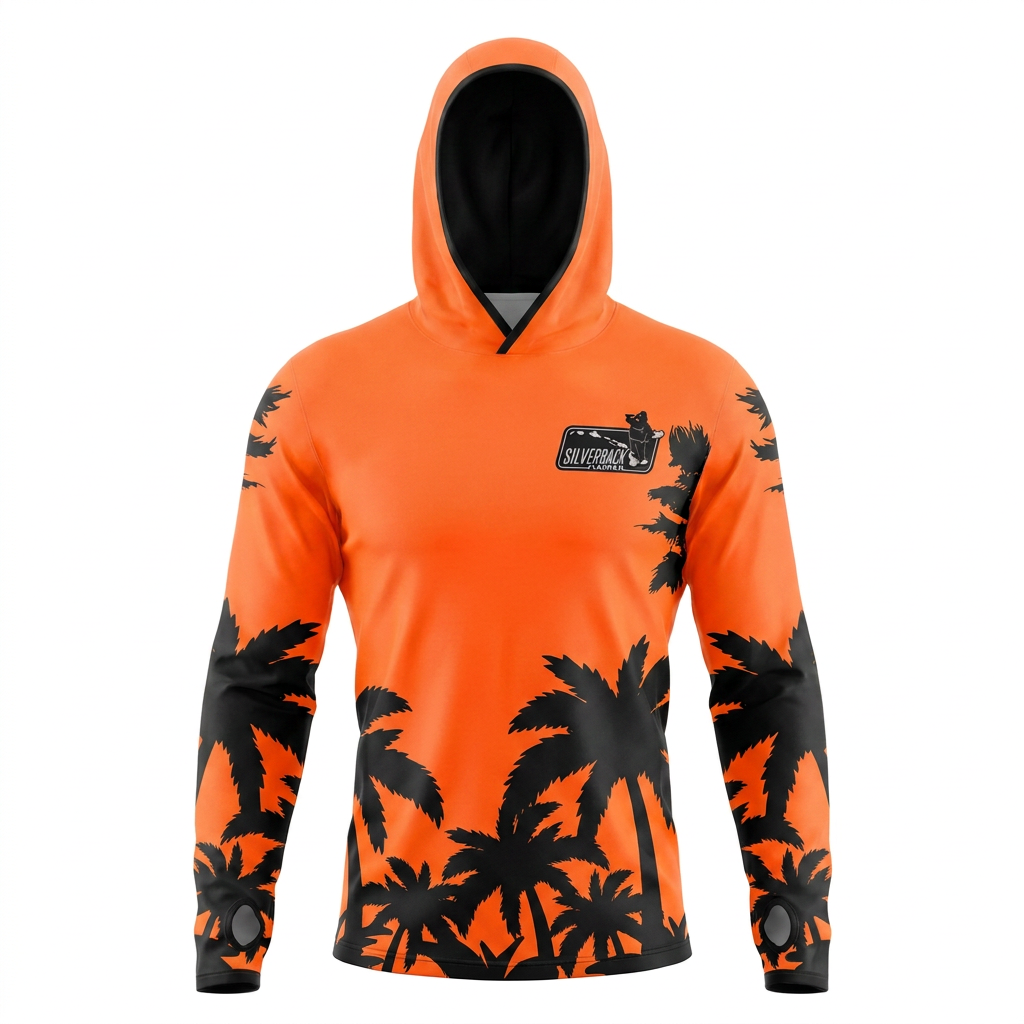
Women's Hawaiian Hydro Hoodie - Palm Tree Print. A classic palm print on the same performance fabric, priced at $40.00. The product listing describes a women's fit that moves with the paddle stroke and fabric made from recycled bottles. Best for: women who prefer island-style prints and are willing to pay more for the palm design.
Men's Hawaiian Hydro Hoodie - Palm Tree Print. The men's version of the palm design at $40.00, with a loose fit and the same SPF 50 construction. Best for: men who want the palm print with a relaxed cut. Skip if: you prefer a lower price point.
Men's Tribal Tattoo Hawaiian Hydro Hoodie. A Polynesian-inspired pattern at $40.00 with the same performance features. The listing says it is made in the USA. Best for: men who want a bold, heritage-inspired print.
Across the range, the fabric and protection are consistent. Choose based on the print you like and the fit that suits your body and stroke.
Choosing Your Hoodie for the Next Paddle
Start with the conditions you paddle in most often. If you spend time near boat traffic or paddle early and late in the day, prioritize a bright color or a strong print. If sun protection is the main concern, the SPF 50 fabric covers that in every design, so you can pick on style and fit.
Next, check the fit. The product pages list sizing details that are worth reading before you order.
Finally, think about how you will care for it.
Silverback Hawaii hoodies are built for paddlers who want bold design, sun protection and a fabric made from recycled plastic in one garment. Browse the range at the product pages linked above, and choose the print and fit that suits how you paddle.
Frequently Asked Questions
Do high-visibility colors really help paddlers stay seen?
Bright, high-contrast colors such as fluorescent yellow and orange tend to stand out against blue and green water.
Does a UPF 50 hoodie replace sunscreen?
Sun-protective clothing covers areas that sunscreen often misses and reduces the amount of UV reaching your skin. Most people still apply sunscreen to any exposed skin, such as the face.
Are the hoodies suitable for children and families?
Silverback Hawaii's current listings are for men's and women's sizing.
Frequently Asked Questions
What color is best for high visibility on the water?
Fluorescent colors such as bright orange, fluorescent yellow and fluorescent green are the easiest to pick out against blue water, because they reflect a lot of light and stand out in glare and against the ocean's color. Darker shades like navy or deep blue blend into the water and are harder to spot at distance. Visibility also depends on conditions: overcast skies, choppy surface and viewing distance all change how far a color can be seen. Pairing a bright color with light-reflecting trim can help further, but no color makes a paddler fully visible, so a personal flotation device and a whistle still matter.
Does UPF clothing provide waterproof sun protection?
UPF rating measures how much ultraviolet radiation a fabric blocks when it is dry, and wet fabric can let more UV through. A UPF 50+ rating is strong protection when new, but repeated saltwater exposure, washing and stretching can reduce coverage over time.
Are high-visibility swimsuits safe for children?
Brightly colored swimwear can help adults keep an eye on children in open water, since a child in an easy-to-see color is simpler to locate. However, bright clothing is not a substitute for a properly fitted life jacket or constant adult supervision. Parents should check that children's sun protection, fit and comfort are right for the activity, and that any garment does not restrict movement or create chafing during long sessions. Choose designs with flat seams and soft fabric for younger skin.
What is the difference between waterproof and water-resistant clothing for paddling?
Waterproof clothing blocks water from passing through the fabric, usually with a sealed or coated construction, but it often breathes less and can feel warm during active paddling. Water-resistant clothing sheds water and dries quickly but lets some moisture through under sustained wetting.
