

Table of Contents
- Why the Right Beach Clothing Changes Your Whole Day
- Quick Comparison: Best Comfortable Clothing for Beach Activities
- 1. Hawaiian Hydro Hoodie: The Lightweight Layer That Does Everything
- 2. Laki Leggings: Full-Length Sun Coverage Without the Chafe
- 3. Moisture-Wicking Beach Gear That Keeps You Dry Between Sets
- 4. Sun Protective Beach Apparel: What UPF 50 Actually Means
- 5. Hats, Tees, and the Accessories That Finish the Kit
- 6. How to Build a Beach Capsule Wardrobe That Packs Flat
- Frequently Asked Questions
Last Updated: September 27, 2026
Why the Right Beach Clothing Changes Your Whole Day
Comfortable clothing for beach activities is apparel built to handle salt water, sun, sweat, and sand without chafing, overheating, or falling apart. The wrong fabric ruins a paddle session by the first mile.
At Silverback Hawaii, we design gear for people who spend real hours on the water. This guide covers seven picks that solve specific problems: sun coverage, moisture management, and chafe-free seams. The difference between a good day and a miserable one often comes down to what you're wearing.
Quick Comparison: Best Comfortable Clothing for Beach Activities
| Pick | Best For | Key Feature | Price |
|---|---|---|---|
| Hydro Hoodie | All-day sun cover | UPF 50, ultralight fabric | $40-$70 |
| Laki Leggings | Full-length protection | Flatlock seams, calf pockets | $50 |
| Moisture-wicking layers | Between-session dryness | Quick-dry, four-way stretch | Varies |
| UPF 50 apparel | Sun-sensitive skin | Permanent sun protection | Varies |
| Hats and tees | Finishing the kit | Flat bill, snapback fit | $20-$30 |
1. Hawaiian Hydro Hoodie: The Lightweight Layer That Does Everything
The Hydro Hoodie is the single most versatile piece in a beach kit. It covers arms, neck, and head while staying light enough to wear through a full session.
Silverback Hawaii builds both the Men's and Women's versions from recycled polyester and spandex. The palm print fabric delivers SPF 50 protection that does not wash off or wear out. Thumb holes shield the backs of your hands, and the button-closure hood layers over a cap.
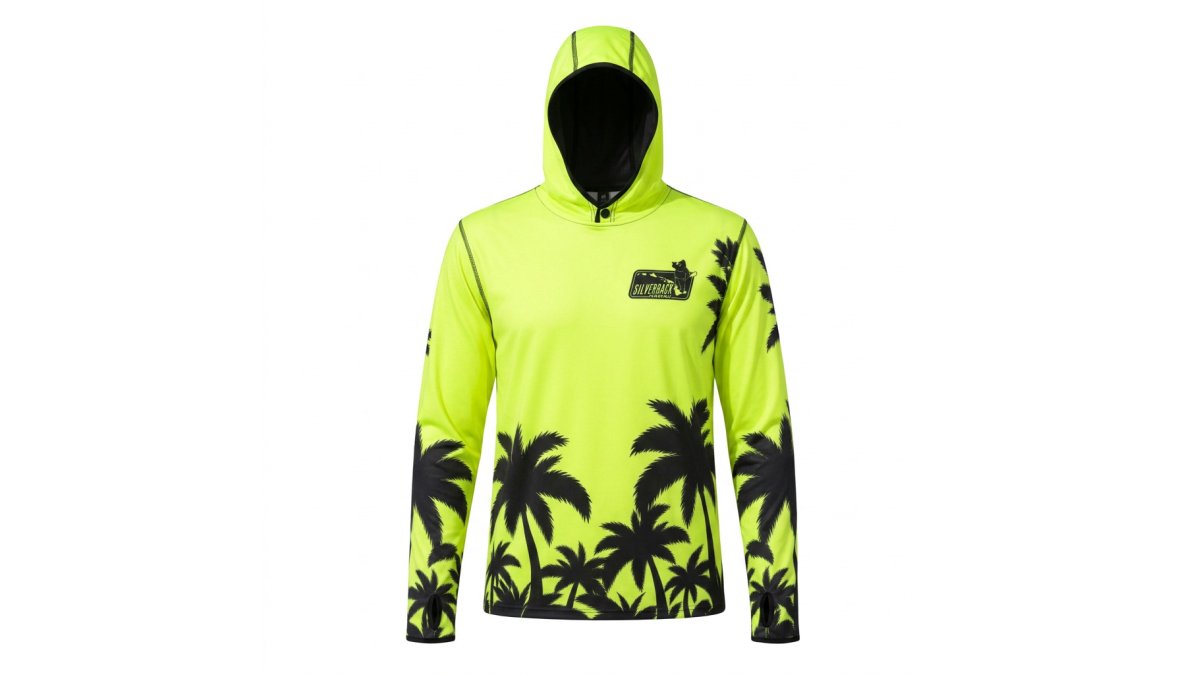
The ultralight solid-color version, available in women's and men's cuts, uses the same buttery-soft build in high-visibility colorways for on-water safety.


2. Laki Leggings: Full-Length Sun Coverage Without the Chafe
Full-length coverage matters most when you're in the water for hours. Laki Leggings deliver UPF 50 protection woven into the fabric rather than sprayed on.
The women's version pairs a soft high waist with discreet calf pockets for gels. The men's version sits slightly higher at the waist for a secure fit. Both use a 75/25 recycled blend with flatlock seams.

A common mistake is choosing leggings by feel alone.
3. Moisture-Wicking Beach Gear That Keeps You Dry Between Sets
Moisture-wicking beach gear moves sweat away from skin and dries fast enough for back-to-back sessions. That matters when you're rotating between the water and the sand, a soaked cotton tee can stay damp for an hour and pull heat off your core the moment the wind picks up.
What actually determines drying speed
Three variables matter more than the marketing label:
- Fabric weight (GSM). An ultralight knit around 120-150 GSM dries in a fraction of the time a 200+ GSM blend does. This is why a sun hoodie beats a heavyweight rash guard for between-session wear.
- Knit structure. A mesh or birdseye knit exposes more surface area to airflow than a tight jersey, so it releases moisture faster even at the same weight.
- Fiber blend. A small spandex percentage (typically 10-20%) adds stretch and shape recovery without meaningfully slowing dry time. High cotton content does the opposite.
Match the fabric to the activity
Most guides treat 'beach' as one condition. It isn't:
- Beach volleyball and spikeball: You want four-way stretch and flat seams, because you're lunging and diving on sand. A loose quick-dry tee works; a stiff woven shirt restricts your swing.
- Snorkeling and long swims: A fitted layer stays put in the water and won't balloon. Loose fabric creates drag and can ride up over your mask strap.
- Coastal hikes and boardwalk walks: Breathability beats water repellency. You're generating heat on land, not soaking in the surf, so prioritize airflow over quick-dry chemistry.
- Paddle sessions: A hooded long-sleeve layer covers arms and neck against reflected glare off the water, where UV exposure roughly doubles compared to standing on dry sand.
The trade-off nobody mentions
If diverting existing plastic from the waste stream matters to you, look for recycled polyester blends. Silverback Hawaii's Hydro Hoodies use recycled polyester for exactly this reason.
4. Sun Protective Beach Apparel: What UPF 50 Actually Means
UPF 50 is a rating that measures how much UV radiation fabric blocks. A UPF 50 fabric allows roughly 1/50th of UV rays to pass through, about 2% (Sun Protective Clothing). That's the highest rating the standard recognizes; anything labeled UPF 50+ is capped at the same threshold.
The variables that change real-world protection
A UPF 50 hangtag describes the fabric under lab conditions. On the beach, four things move the number:
- Stretch. Fabric stretched tight over shoulders or knees lets more UV through the gaps between yarns. A relaxed fit protects better than a compressive one.
- Wetness. Many fabrics lose protection when saturated, because water displaces the air pockets that scatter UV. Quick-dry synthetics hold their rating better than cotton, which can drop substantially when soaked.
- Wear and abrasion. Thinning at elbows, seat, and knees reduces coverage over time.
- Coverage gaps. A UPF 50 tee still leaves your neck, ears, and the backs of your hands exposed. That's where a hooded layer with thumb holes earns its place.
Reflected UV is the beach-specific problem
Sand reflects roughly 15% of UV radiation and water reflects more, so you're hit from above and below. This is why sunburn shows up under the chin, along the jawline, and on the backs of the legs even when you've been facing away from the sun. A hood that layers over a cap and thumb holes that cover the hand backs address exactly these angles, the spots sunscreen wears off first.
Treatment-based vs. built-in protection
Here's where cheap gear fails: treatment-based protection washes out. Some manufacturers apply a topical UV finish to fabric, and that finish degrades with every wash and saltwater soak. You won't notice until you're burned.
How to layer for a full beach day
A practical sun-protection system for hours outdoors:
- Base: a long-sleeve UPF layer with a hood and thumb holes, worn over swimwear.
- Head: a flat-bill cap under the hood for eye shade, or a wide-brim hat for land days.
- Hands: thumb holes or fingerless sun gloves, the most-forgotten zone.
- Face and exposed skin: mineral or chemical sunscreen, reapplied every two hours.
- Eyes: polarized sunglasses with UV400 lenses, since UV damages eyes as well as skin.
5. Hats, Tees, and the Accessories That Finish the Kit
A hat and a tee round out the layering system. The Hawaiian Print Trucker Hat pairs a flat bill for eye shade with an adjustable snapback. The Foam Trucker Hat adds high-visibility fluorescent colorways so your crew can spot you on the water.
6. How to Build a Beach Capsule Wardrobe That Packs Flat
A beach capsule wardrobe is a small set of pieces that mix, match, and layer for any condition. Build it around function first.
- One long-sleeve UPF layer for full sun
- One full-length legging for water sessions
- One moisture-wicking base layer
- One flat-bill hat with an adjustable closure
- One quick-dry tee for land days
Frequently Asked Questions
What are the best fabrics for comfortable clothing for beach activities?
Look for recycled polyester and spandex blends. They wick moisture, dry fast, and stretch with you. Silverback Hawaii's hoodies use 78% recycled polyester with 22% spandex, and the Laki Leggings use a 75/25 recycled blend. Avoid heavy cotton, which soaks up water, stays damp, and can rub against your skin under a life vest. Breathable, quick-dry fabric is the single biggest factor in staying comfortable from launch to lunch.
How do I choose sun protective beach apparel for long days outside?
Check the UPF rating first. UPF 50 blocks the vast majority of UV rays, and the protection in Silverback Hawaii's hoodies and leggings is built into the fabric rather than applied as a coating, so it does not wash out. Then look at coverage: a hood, thumb holes, and full-length legs protect the spots people miss, like the backs of hands, neck, and ankles. Pair it with a hat and you can skip constant sunscreen reapplication.
Are recycled materials durable enough for ocean sports?
Yes, when the fabric is engineered for it. Silverback Hawaii's gear is made from recycled polyester with spandex for four-way stretch, flatlock seams, and quick-dry performance, then tested on Maui in real ocean conditions. Each yard of the palm tree hoodie fabric contains 13 recycled bottles. The material is built to handle saltwater sessions, repeated washing, and the abrasion that comes with paddling, not just light beach wear.
What is the best way to layer clothing for a day at the beach?
Start with a moisture-wicking base layer like leggings, then add a lightweight hoodie you can pull on or off as the sun and wind shift. A trucker hat handles your face and eyes. This setup covers cool mornings, peak midday sun, and breezy afternoons without hauling a full bag. Everything packs flat and dries fast if it gets wet.
How can I stay comfortable during high-intensity beach activities?
Chafe prevention matters more than anything. Flatlock seams sit smooth against skin instead of raised, which cuts rubbing under a life vest or PFD. Choose pieces with four-way stretch so the fabric moves with your stroke instead of pulling. Silverback Hawaii's Laki Leggings include calf pockets for gels, so you are not digging through a bag mid-session. Quick-dry fabric also means back-to-back sessions do not start soggy.
Beach days ask a lot from your gear: sun, salt, sweat, and hours of movement. Silverback Hawaii builds apparel for exactly that, using recycled materials and UPF 50 protection designed to hold up session after session. Explore the Hydro Hoodie, the Laki Leggings, and the trucker hats, then get started with Silverback Hawaii and gear up for your next day on the water.