

Last Updated: November 4, 2026
Quick Summary
To wash UPF clothing properly, turn it inside out, close zippers, and use cold or cool water on a gentle or delicate cycle with a mild liquid detergent. Skip fabric softener and bleach, then air dry the garment in a shaded spot instead of using high heat.
- Hot water is the fastest way to wear out stretch fibers in UPF fabric.
- Fabric softener leaves a film that clogs breathability and does not rinse out in cold water.
- Wash UPF gear after two or three wears unless it is soaked in salt or sweat.
- Rinse chlorine and salt water off right after every session to protect fibers and elastic.
- Signs of declining protection include thinning patches, fading, stretching, pilling, and light showing through.
Table of Contents
- Why Proper Washing Keeps UPF Protection Working
- Read the Care Label Before Anything Else
- How to Wash UPF Clothing in a Washing Machine
- Hand Washing Versus Machine Washing
- How to Dry UPF Clothing Without Weakening It
- How to Remove Stains from Synthetic Sun Shirts
- How Long Does UPF Clothing Last?
- Shop Silverback Hawaii Gear Built to Last
- Frequently Asked Questions
Why Proper Washing Keeps UPF Protection Working
Learning how to wash UPF clothing properly matters more than most paddlers realize. Sun-protective fabric doesn't fail all at once.
Here's the truth most care guides skip. The UPF rating on a sun shirt comes from two things working together: the fibers themselves and the tightness of the weave.
So washing isn't just about smell and salt stains. It's maintenance for the shield. Below, we'll show you exactly how to clean sun-protective clothing without cutting its lifespan short.
Skin Cancer Foundation sun protection guidance
Read the Care Label Before Anything Else
The care label is the first thing to check, not the last. Every UPF garment lists its fabric blend and wash limits, and those instructions override any general advice you read online.
UPF clothing is apparel built to block ultraviolet radiation, and its care depends on the fiber content listed on the tag. Ignore the label and you risk shrinking, pilling, or stripping the finish.
A Care-Label-First Decision Guide by Fabric and Garment Type
Use the tag to sort your garment into one of these groups before you touch the washer. When the label and this guide disagree, the label wins.
- Polyester and spandex blends (performance sun shirts, hoodies): cool water, mild liquid detergent, gentle cycle, no fabric softener, air dry. These fabrics tolerate machine washing but are sensitive to heat and agitation.
- Nylon sun shirts and swimwear: similar to polyester, but nylon is more prone to snags and chlorine damage. Rinse after every swim and consider hand washing swimwear to protect elastic.
- Cotton or cotton blends: slower to dry and more prone to shrinking. Use cool water and avoid the dryer; cotton holds water and heat longer, which stresses the weave.
- Structured hats and visors: spot clean the brim and sweatband with a damp cloth and mild detergent. Submerging a structured hat can warp the brim and break down stiffeners.
- Garments with thumb holes, hoods, and flatlock seams: turn inside out and close zippers before washing to protect seams and hardware.
- Older or thinning garments: switch to hand washing. Once the fabric shows wear, machine agitation accelerates the decline.
If you want to understand the construction behind your garment, you can explore our fabric details before you wash.
Watch out: some care labels list “do not wash” or “spot clean only” for structured hats and certain swimwear; follow that even if the fabric itself is synthetic.
How to Wash UPF Clothing in a Washing Machine
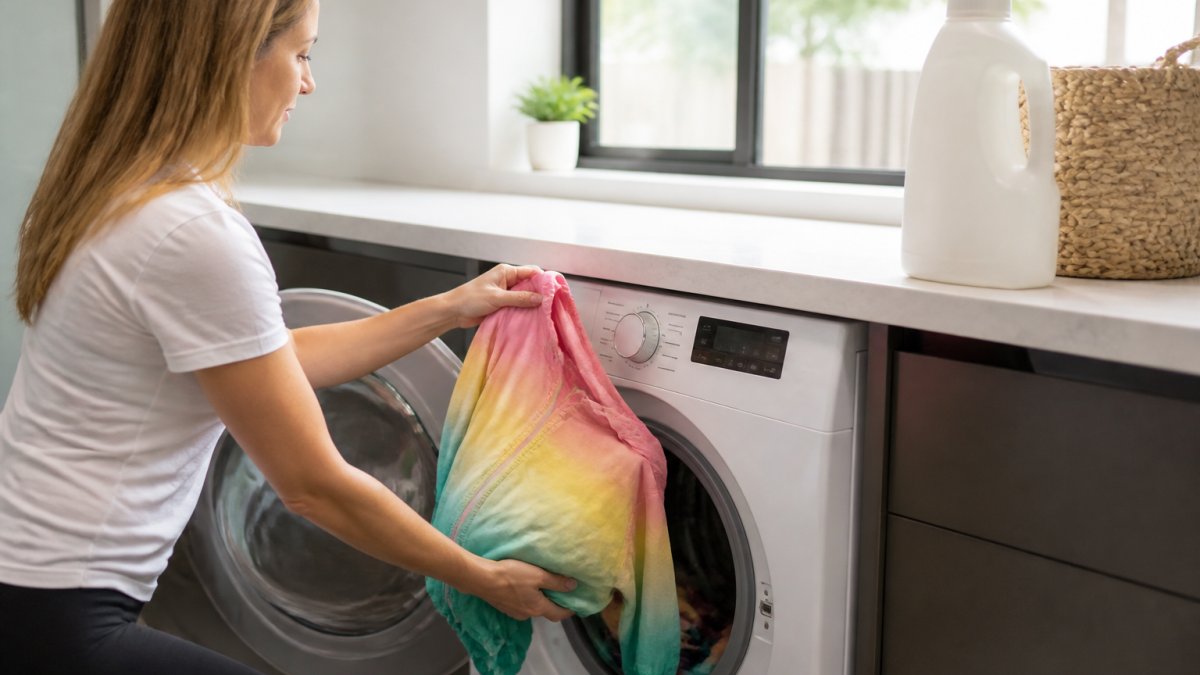
Machine washing is safe for most UPF garments if you follow five steps. The goal is a short, cool, gentle cycle that lifts salt, sweat, and sunscreen without stressing the fibers.
- Turn the garment inside out. This protects the outer surface and the seams.
- Close zippers and buttons. Loose hardware snags fabric in the drum.
- Use cold or cool water. Hot water is the fastest way to wear out stretch fibers.
- Choose a gentle or delicate cycle. A short cycle means less agitation.
- Skip the spin if you can. A low spin setting reduces stretching.
Water Temperature and Cycle Settings
Cold water is the safe default for every UPF garment. Cool or lukewarm water works for lightly soiled items, but hot water should stay out of the routine. Heat relaxes spandex, and relaxed spandex means a looser weave.
Set the machine to gentle or delicate. A normal cycle's agitation pulls at fibers and speeds up pilling. Fewer wash cycles per season also helps: wash after two or three wears unless the gear is soaked in salt or sweat.
Detergent Choices and What to Avoid
A mild liquid detergent is the recommended choice. Everything else on this list damages the fabric or blocks breathability:
- Bleach: breaks down fibers and strips color
- Fabric softener: coats fibers and traps heat and moisture
- Harsh chemicals and stain sprays with solvents: degrade the weave
- Powder detergent that won't dissolve: leaves grit in the fabric
Watch out: fabric softener is the quiet killer here. It leaves a film that clogs the tiny gaps that make the fabric breathable, and that film doesn't rinse out in cold water.
Follow these five steps for a short, cool, gentle cycle that lifts salt, sweat, and sunscreen without stressing the fibers.
| Step | What to do | Why it matters |
|---|---|---|
| 1 | Turn the garment inside out | Protects the outer surface and the seams |
| 2 | Close zippers and buttons | Loose hardware snags fabric in the drum |
| 3 | Use cold or cool water | Hot water is the fastest way to wear out stretch fibers |
| 4 | Choose a gentle or delicate cycle | A short cycle means less agitation |
| 5 | Skip the spin if you can | A low spin setting reduces stretching |
Hand Washing Versus Machine Washing
Hand washing is the gentler option and the better choice for heavily soiled or delicate garments. Machine washing is fine for routine cleaning.
For hand washing, fill a sink or tub with cool water and a small amount of mild detergent.
Men's Hawaiian Hydro Hoodie - Big Kahuna Print →
Machine washing wins on time. Hand washing wins on longevity for older or thinner garments. If your sun shirt is showing wear, switch to hand washing.
How to Dry UPF Clothing Without Weakening It
Air drying is the best way to dry UPF clothing. Heat from a dryer is the main threat to stretch fibers and the weave, so line drying or drying flat protects the garment's fit and its shield.
- Line dry or hang dry in a shaded, ventilated spot
- Dry flat for hoodies and heavier pieces so they keep their shape
- Keep out of direct sunlight for long stretches, since UV exposure ages fabric over time
- Reshape while damp to avoid stretching
If you must use a dryer, choose the lowest heat setting and pull the garment out while it's still slightly damp. Never use high heat. For a deeper look at what to check when gear wears out, see our guide to buying UPF 50 long sleeve shirts.
How to Remove Stains from Synthetic Sun Shirts
Treat stains fast and gently. Blot, don't scrub, and use cool water with a drop of mild detergent. Rubbing drives soil deeper into synthetic fibers and roughens the surface, which can loosen the weave over time.
Step-by-Step Stain Treatment
- Rinse immediately with cool water. Flush the stain from the back of the fabric when possible so you push soil out rather than deeper in.
- Apply a small amount of mild liquid detergent directly to the spot. Do not use solvent-based stain sprays, bleach, or enzyme cleaners not labeled for synthetics.
- Let it sit for three to five minutes. Longer is not better; prolonged soaking can weaken some finishes.
- Blot with a soft, light-colored cloth. Work from the outside of the stain inward to avoid spreading it.
- Rinse thoroughly with cool water until no suds remain.
- Air dry and inspect. Heat from a dryer can set a remaining stain, so always air dry before deciding whether to repeat.
- Repeat once if needed, then hand wash. If the stain persists after two attempts, hand wash the garment and air dry; do not keep spot-treating aggressively.
Chlorine, Salt, Sunscreen, and Sweat: One Post-Activity Routine
Each residue needs a slightly different response, but a single rinse-and-wash routine handles all four. Rinse after every session in chlorinated or salt water, because both break down fibers and elastic over time.
- Chlorine: rinse in cool water right after the pool. Chlorine continues to attack fibers while it sits in the fabric.
- Salt water: rinse before the salt dries into the weave. Dried salt crystals abrade fibers during the next wear.
- Sunscreen: pretreat with mild detergent before washing. Sunscreen oils and minerals can cling to synthetic fibers and trap odor.
- Sweat: wash promptly, and don't let gear sit in a bag. Sweat combined with warmth encourages odor-causing bacteria that survive cold washes.
A quick rinse after every paddle does more for garment lifespan than any special detergent.
Watch out: never use chlorine bleach to remove stains or odors from UPF clothing; it breaks down fibers and can permanently reduce the fabric's protective performance.
How Long Does UPF Clothing Last?
Most well-made UPF clothing lasts several seasons with proper care, but the protection weakens before the fabric falls apart. The rating isn't permanent. Wash cycles, abrasion, and stretching all reduce it over time.
Protection can decline over time with repeated washing and wear, which is why gentle care matters.
Signs of Wear and Declining Protection
Check your gear every few months. These signs mean the shield is thinning:
- Thinning or threadbare patches, especially at shoulders and seams
- Fading that goes beyond normal color loss
- Stretching at the cuffs, hood, or thumb holes
- Pilling that leaves the surface rough
- Light showing through when you hold the fabric up
When several of these appear together, it's time to replace the garment. A sun shirt that has lost its weave tightness isn't blocking UV rays the way it used to. For the bigger picture on why coverage matters in strong sun, read why sun protection clothing is essential.
Shop Silverback Hawaii Gear Built to Last
Our Hydro Hoodies are made for long days on the water, and they're built to survive the care routine above.
- Flatlock seams that resist chafing on long paddles
- Thumb holes for hand coverage
- Button closure hoods that layer over a cap
- Moisture-wicking fabric that dries fast between sessions
The Hawaiian Hydro Hoodie in the Palm Tree Print is $40.00, and the Big Kahuna Print is $25.00. Both come in men's and women's fits.
You can browse the full Silverback Hawaii wear collection or get in touch with our team if you have questions about caring for a specific garment.
Frequently Asked Questions
Does UPF clothing lose its effectiveness after washing?
UPF protection in quality sun-protective clothing is built into the fabric fibers, not applied as a surface coating, so it does not wash off. However, harsh detergents, bleach, and high heat can break down fibers over time and reduce protection. Following gentle care instructions, using mild detergent, and air drying will help your UPF clothing maintain its rating through many wash cycles.
Can you wash UPF clothing in a washing machine?
Yes, most UPF clothing can be machine washed. Use cold or cool water on a gentle or delicate cycle, turn the garment inside out, and choose a mild detergent without bleach or fabric softener. Avoid washing with heavy items like jeans or towels that can cause abrasion. Always check the care label first, since some fabrics and constructions may require hand washing.
Should you use fabric softener on UPF clothing?
Skip fabric softener on UPF clothing. Softeners leave a residue that can clog fabric fibers, reduce breathability, and interfere with moisture-wicking performance. They may also diminish the effectiveness of UV-blocking fibers over repeated use. A mild detergent is all you need to keep sun-protective garments clean and functioning well.
How should you dry UPF clothing to protect the sun protection?
Air dry UPF clothing whenever possible by hanging it on a line or laying it flat in the shade. Avoid direct sunlight during drying, which can fade colors and stress fibers. If using a dryer, choose the lowest heat setting or air-fluff cycle, and remove the garment while slightly damp. High heat is the main cause of fiber damage that shortens a garment's useful life.
Your sun gear works as hard as you do, and it deserves a wash routine that protects the protection. Silverback Hawaii builds paddling apparel with SPF 50 fabric, flatlock seams, and recycled materials, so it holds up season after season. Get started with Silverback Hawaii and keep your sun protection working as long as the fabric does.
